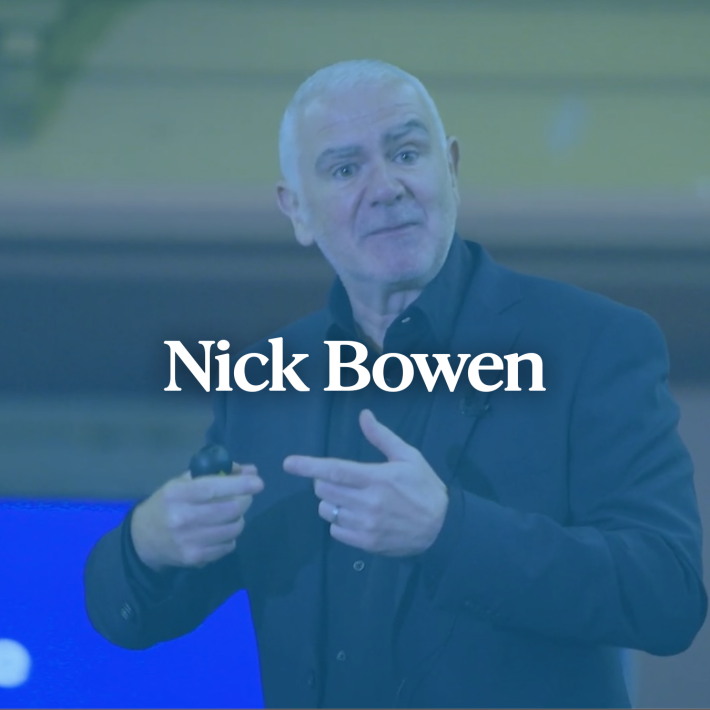


Social Connection - The Third Pillar of Human Health - Dan Smith CEO Steeev
A practical, evidence led session showing why social connection matters as much as physical and mental health, and how to build it into everyday working life to improve wellbeing, performance and retention.
Exclusive Apogee Deal
25% off the first Social Connection: The Third Pillar of Human Health session, delivered face to face or via Zoom. Includes a short post session impact summary for leadership.
Summary
A practical, evidence led session showing why social connection matters as much as physical and mental health, and how to build it into everyday working life to improve wellbeing, performance and retention.
Who is it for?
- All exmployees
Credentials
Reviews
“It gave me something simple but powerful: connection.”
– Paul Godfrey
“For the first time in years, I’ve got people I can actually call friends.”
– James Lagden
Awards
- Backed by doctorate level research from London Southbank University
Activity overview
Social connection is increasingly recognised as a core determinant of health, alongside physical activity and mental wellbeing. The World Health Organization has highlighted social isolation and loneliness as major public health concerns, linked to increased risk of cardiovascular disease, depression, cognitive decline and premature mortality. The health impact is comparable to established risk factors such as smoking and obesity. For employers, this is not abstract. Disconnection shows up as higher absenteeism, reduced productivity, increased presenteeism and greater staff turnover. The cost is human first, financial second, but both are real and measurable.
What makes this issue particularly challenging is how common and hidden it is. Loneliness is not confined to the elderly or the visibly vulnerable. It affects men in full time work, managers, apprentices, business owners. Many appear socially active yet lack meaningful connection. In male dominated industries especially, cultural norms around self reliance and stoicism can make it harder to admit feeling isolated. The result is silent strain that accumulates over time, impacting morale, concentration, safety and resilience under pressure.
This session reframes social connection not as a soft or optional extra, but as a practical health strategy. We explore the evidence: how connection regulates stress, improves immune function and strengthens psychological resilience. We examine the ripple effects inside organisations: stronger peer support, better teamwork, reduced conflict and improved retention. Crucially, we focus on solutions. Small structural shifts such as interest based peer groups, facilitated meets, leadership modelling vulnerability and normalising conversation around connection can create measurable change without heavy programmes or box ticking initiatives.
For the individual, tackling social isolation often produces rapid and tangible gains: improved mood, greater energy, better sleep, renewed confidence and a stronger sense of belonging. For businesses, investing in social connection is preventative rather than reactive. It reduces risk before crisis emerges. Addressing stigma is central to this work. By positioning connection as strength rather than weakness, and by grounding the conversation in health science rather than emotion alone, organisations can create an environment where men feel permitted to engage.
Social connection is not a wellbeing add on. It is infrastructure for human performance. Companies that understand and act on this are not only supporting their people, they are strengthening the long term health, culture and output of their business.
Agenda
Setting the Context:
Why Social Connection Matters Now We open by framing social connection as a core pillar of health, alongside physical and mental wellbeing. Using current public health data, including reference to the World Health Organization, we outline the physical, psychological and organisational costs of disconnection. This grounds the session in evidence rather than opinion.
The Hidden Reality: Why It Is More Common Than We Think
Participants explore how loneliness often exists beneath the surface, particularly in high performing or male dominated environments. We examine cultural norms, stigma and workplace pressures that make connection harder to prioritise. This section normalises the issue and reduces shame.
The Science: What Connection Does to the Body and Brain
A practical explanation of how social connection regulates stress, supports immune function, improves mood and enhances resilience. We translate neuroscience and behavioural research into accessible insights that make the impact tangible.
The Workplace Impact: From Individual Strain to Business Cost
We connect the dots between isolation and absenteeism, presenteeism, disengagement, accidents, conflict and turnover. Leaders and participants begin to see connection as performance infrastructure rather than a soft benefit.
Practical Strategies: Building Connection Without Awkwardness
Actionable, realistic approaches that fit into busy lives and demanding industries. This includes interest based peer meets, leadership modelling, structured social touchpoints and ways to make connection habitual rather than forced.
Overcoming Stigma: Reframing Connection as Strength
We challenge the idea that needing connection signals weakness. Participants leave with language and mindset shifts that make conversations about connection normal and credible.
Personal Reflection and Commitment
Participants identify one or two small, achievable actions they will take immediately. This ensures the session moves beyond awareness into behavioural change.
Measuring Impact and Next Steps
We outline how organisations can track improvements in wellbeing, engagement and retention. Clear next steps are provided for embedding social connection into company culture in a measurable way.
Locations available
UK
Length of session
120 minutes
Max capacity
30 per session
Cost
-
Standard session £1,750
120 minute interactive session Digital resource pack Summary impact report
-
Enhanced Package £2,750
120 minute session Pre and post wellbeing pulse survey Impact summary report with insights for leadership Optional follow up Q and A session